The video production industry is experiencing its most significant disruption since the smartphone camera democratized filming. AI-generated video is moving from curiosity to commercial viability faster than most predicted. Here's where things stand and where they're heading.
Where We Are Today
The current state of AI video is best described as "impressive but imperfect." Runway's Gen-3 Alpha produces genuinely useful video for social media content, marketing materials, and creative experimentation. Pika and Sora have pushed the boundaries of what's possible with text-to-video. But every tool still requires human guidance, editing, and often traditional footage to produce professional-quality results.
The honest assessment: AI video can produce content that looks good on screen but falls short of broadcast quality. For most commercial use cases, this is sufficient. For cinema or premium advertising, traditional production remains necessary.
Emerging Capabilities to Watch
Consistent Character Generation
The biggest limitation of current AI video tools is consistency — generating the same character across multiple shots reliably. Sora and Runway's latest research demonstrates significant progress on this front. When characters can be consistently generated across scenes, the implications for animation and virtual production are profound.
Better Physics and Motion
AI video generation has historically struggled with physical accuracy — objects moving correctly, liquids flowing naturally, characters interacting with their environment. Recent improvements in physics simulation integrated with video models are closing this gap faster than expected.
Audio-Visual Synchronization
The next frontier is AI that understands the relationship between sound and image. Tools that can generate video perfectly synchronized to audio tracks, lip movements that match voice recordings, and sound effects that correspond precisely to visual events are all in active development.
The Professional Video Workflow in 2026
For video professionals, the practical question isn't "will AI replace me" but "how can AI make me more productive." Current best practices include:
Pre-Production Enhancement
AI tools excel at pre-visualization and storyboarding. Generate concept footage before expensive production days. Create mood boards and reference videos that communicate creative vision to clients and teams. This use case has zero risk of replacing professionals and high value in saving time and improving outcomes.
Post-Production Acceleration
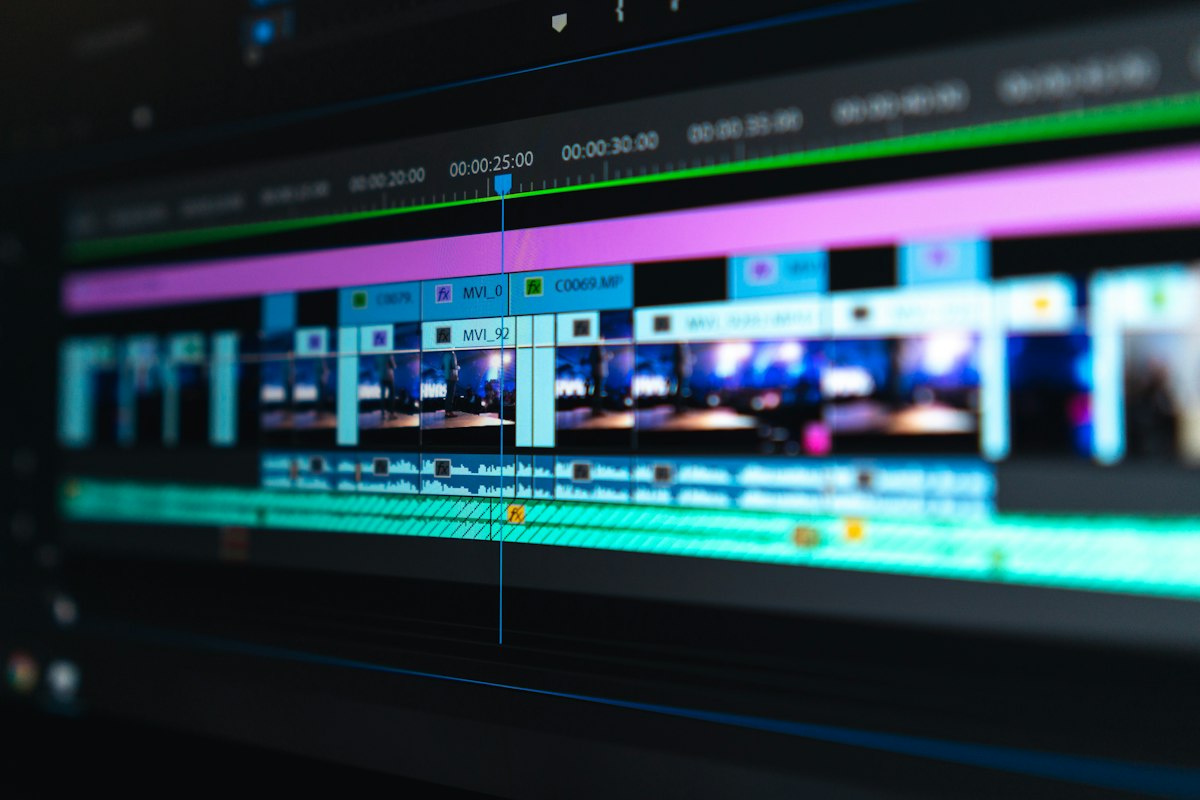
AI-assisted editing, automatic transcription, smart background removal, and motion tracking are already in professional workflows. These tools reduce the time spent on tedious technical work, freeing professionals to focus on creative decisions.
Content Repurposing
The biggest practical win for most teams is repurposing existing content. A one-hour webinar becomes five short clips, a podcast episode becomes a visual summary, a blog post becomes a video — all with AI assistance. This multiplication of content value is immediately actionable and profitable.
What This Means for Creators
The democratization of video production continues accelerating. Teams that previously couldn't afford video production can now create compelling visual content. This expands the market but also increases competition. The professionals who thrive will be those who combine AI efficiency with uniquely human creative vision.
The skills that become more valuable, not less: creative direction, storytelling, brand strategy, and client relationships. AI handles execution; humans provide meaning.
Preparing for What's Coming
Our recommendation for video professionals:
- Experiment now with AI video tools in low-stakes projects
- Build workflows that combine traditional and AI-assisted production
- Develop taste — the ability to recognize quality and direct AI output toward it becomes the scarce skill
- Stay curious about new developments without chasing every new tool
The future of video isn't AI vs. human creativity — it's AI amplifying human creativity in ways we're only beginning to understand.